
Our story
Good clothes should feel good in more ways than one. At Barefoot Life, what happens behind the clothes matters just as much as how they look when you put them on.
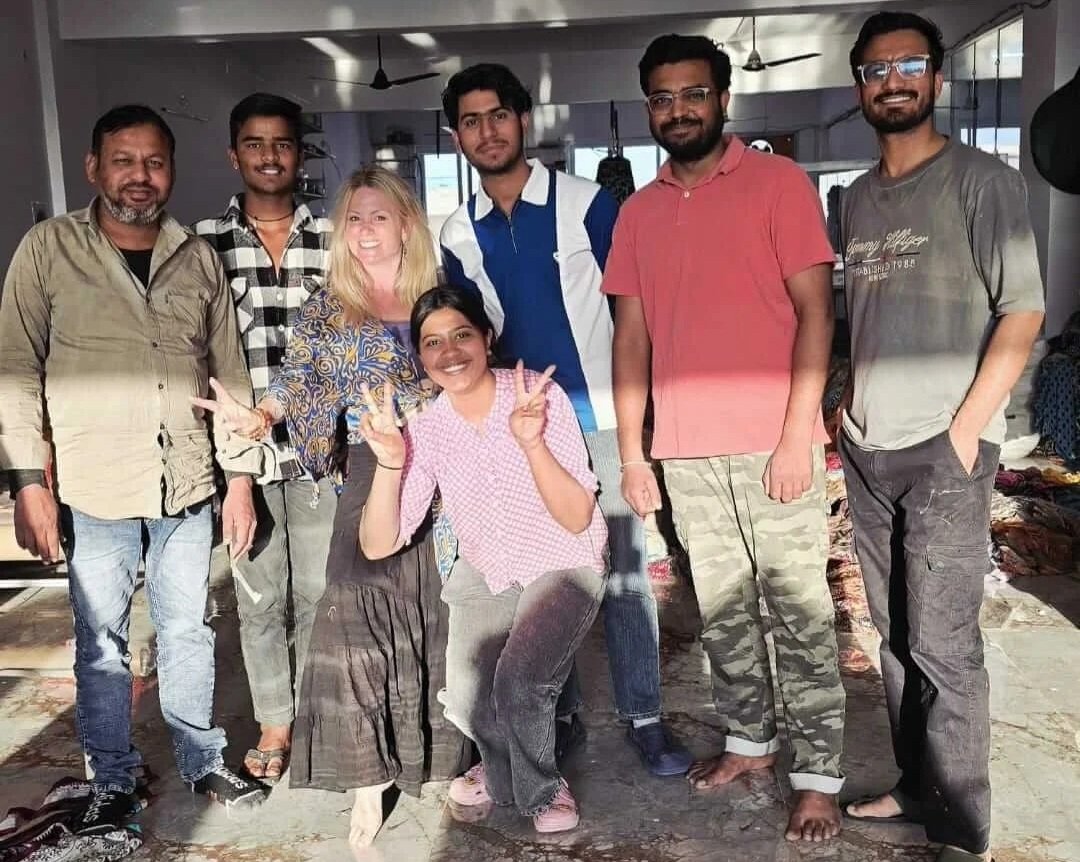
Barefoot Life is an independent, small clothing brand.
We design with intention, work with a small team of makers in India and make conscious decisions about the fabrics we use, the people we work with and the way our clothes are produced.
We're not here to pretend that fashion has no impact on the planet. It does. But we believe we can make better choices, do things differently and take responsibility for the things we put into the world.
And that starts with people.
People before profit
Let's talk about the people who actually make your clothes.
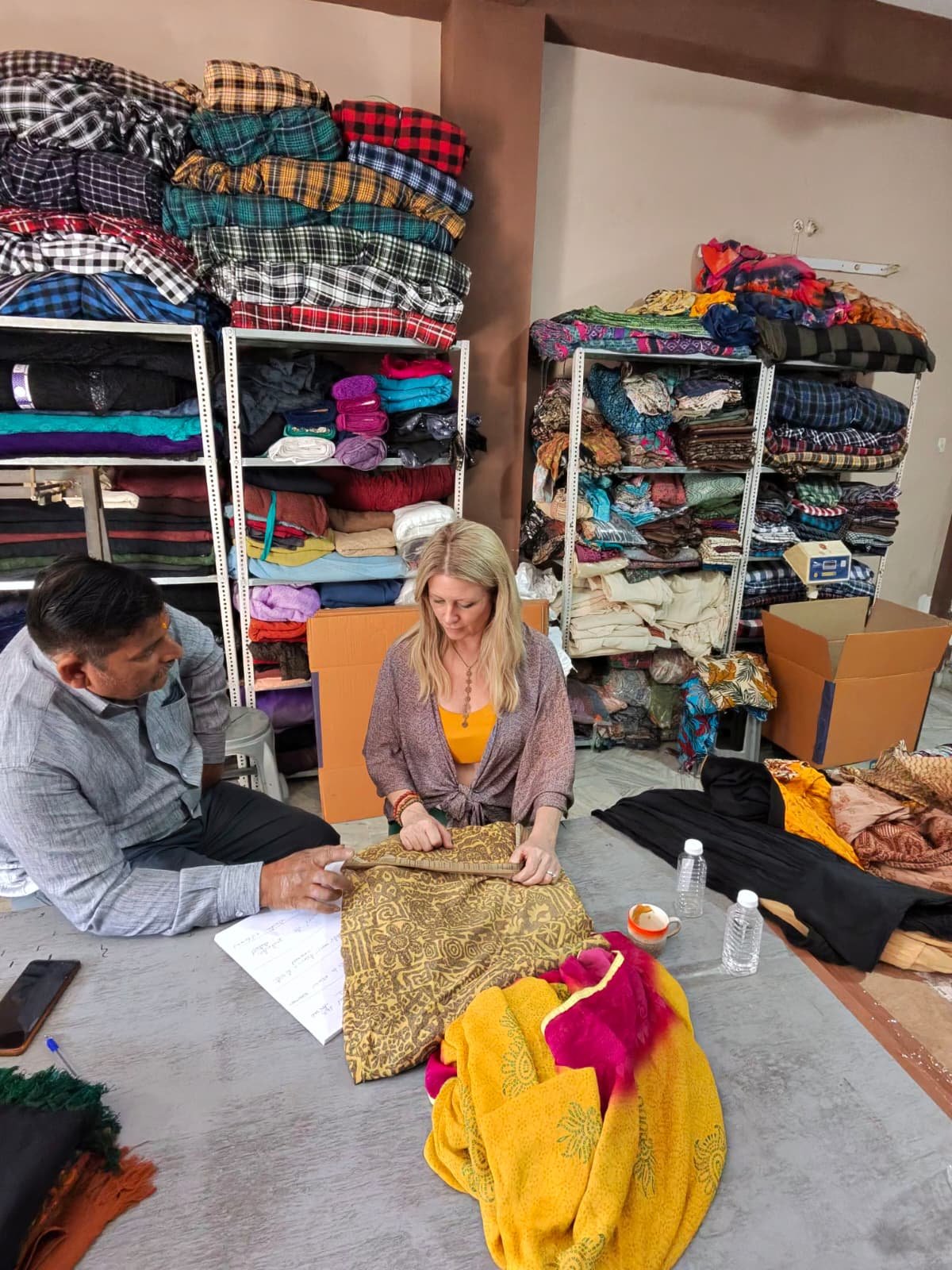
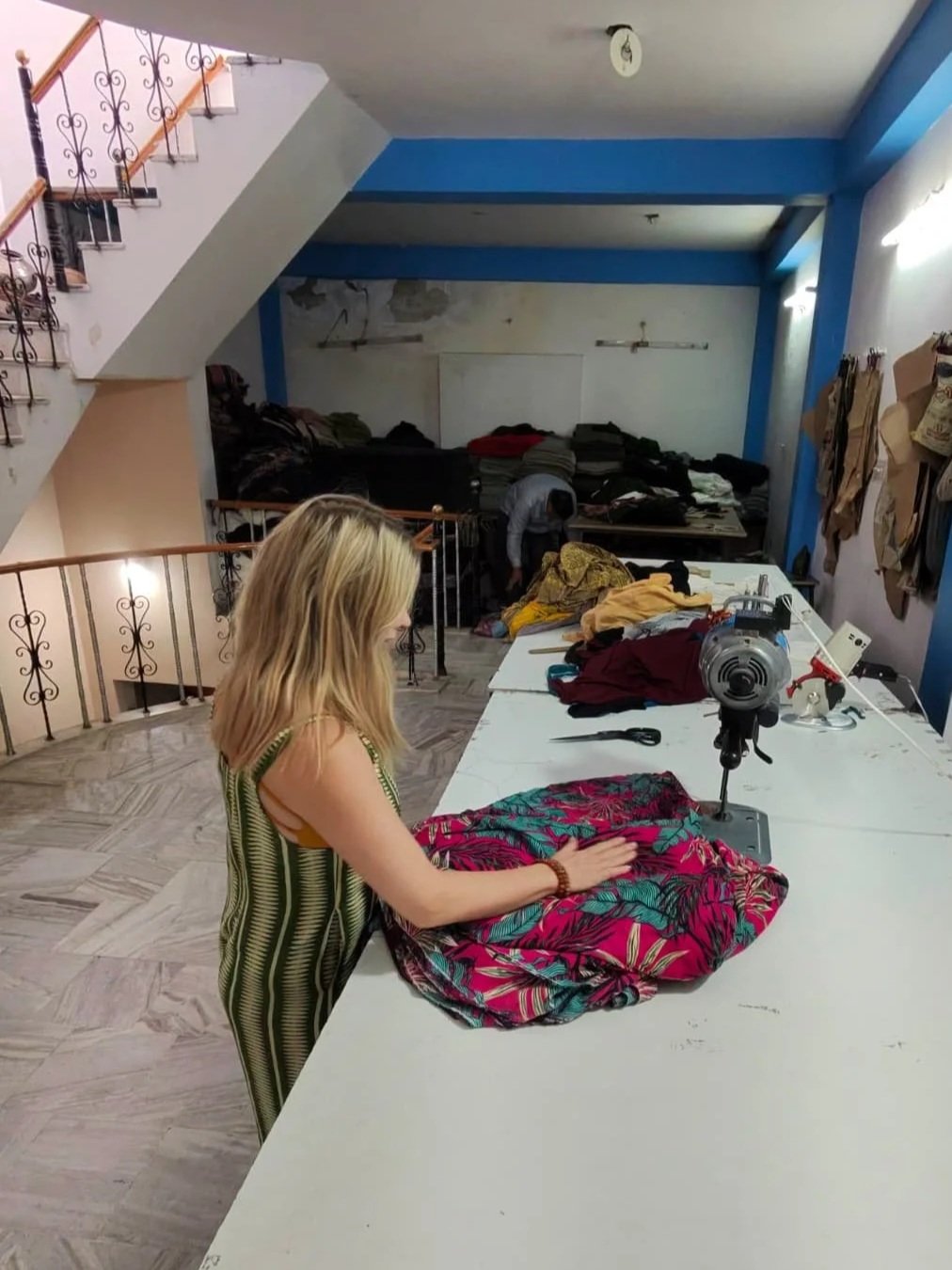
I travel to India to spend time with the people behind Barefoot Life. I don't want to run a brand from the other side of the world, place orders and never know who is making the garments.
I want to know the people, see the process, understand the working environment and build relationships that go beyond a business transaction.
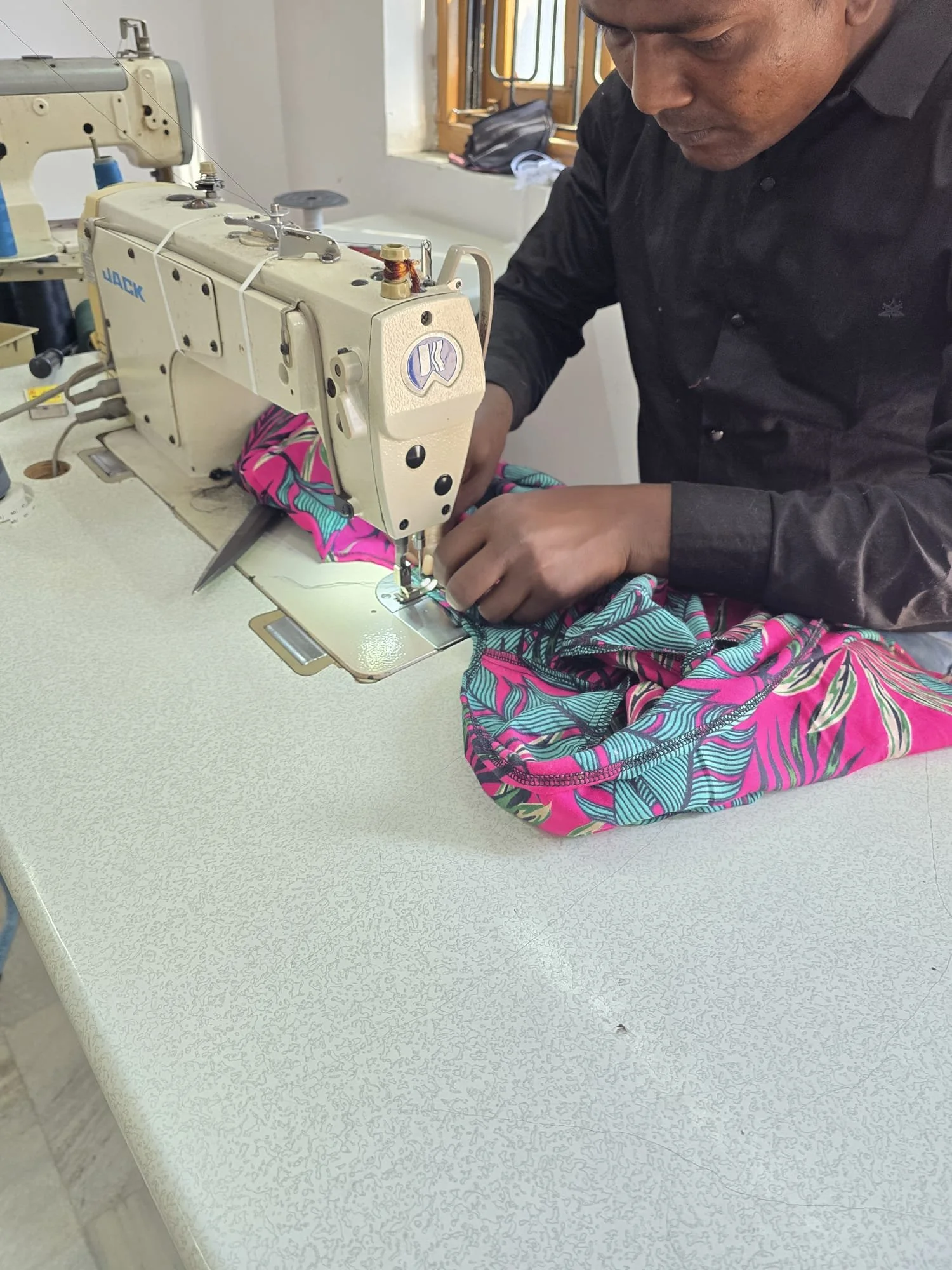
We work with two different teams, one for Tweedy and one for Barefoot. They are small teams of skilled makers around Pushkar. Something I'm particularly proud of is that women are involved not just in the tailoring, but in the design process too.
That might sound like an obvious thing, but it isn't something you can take for granted in an industry where design and production roles have traditionally been male-dominated. In a lot of factories in India the women only make saree bags and are paid an absolute pittance.
I believe women should have a voice in the creative process, opportunities to develop their skills and the chance to be recognised for the work they do.
They're not simply there to stitch together somebody else's ideas. They're part of bringing those ideas to life.
For me, that's what a more inclusive way of working looks like.
Fair pay, fairer practices
Ethical fashion has to mean more than putting a nice label on a garment.
It means recognising the skill, time and work that goes into making it. It means treating the people behind the clothes with respect and making sure their contribution is valued.
I want to build long-term working relationships, pay fairly for the work involved and support a small team rather than chase the cheapest possible production costs.
We're not a huge operation, and that's intentional. I'd rather know who I'm working with and have a genuine relationship with the people making our collections than simply send production orders into an anonymous supply chain.
Because the person making your clothes matters.
Fabrics with a past
The fashion industry produces an enormous amount of new material, much of which is made to feed an endless cycle of new collections and changing trends.
I want to do things differently.
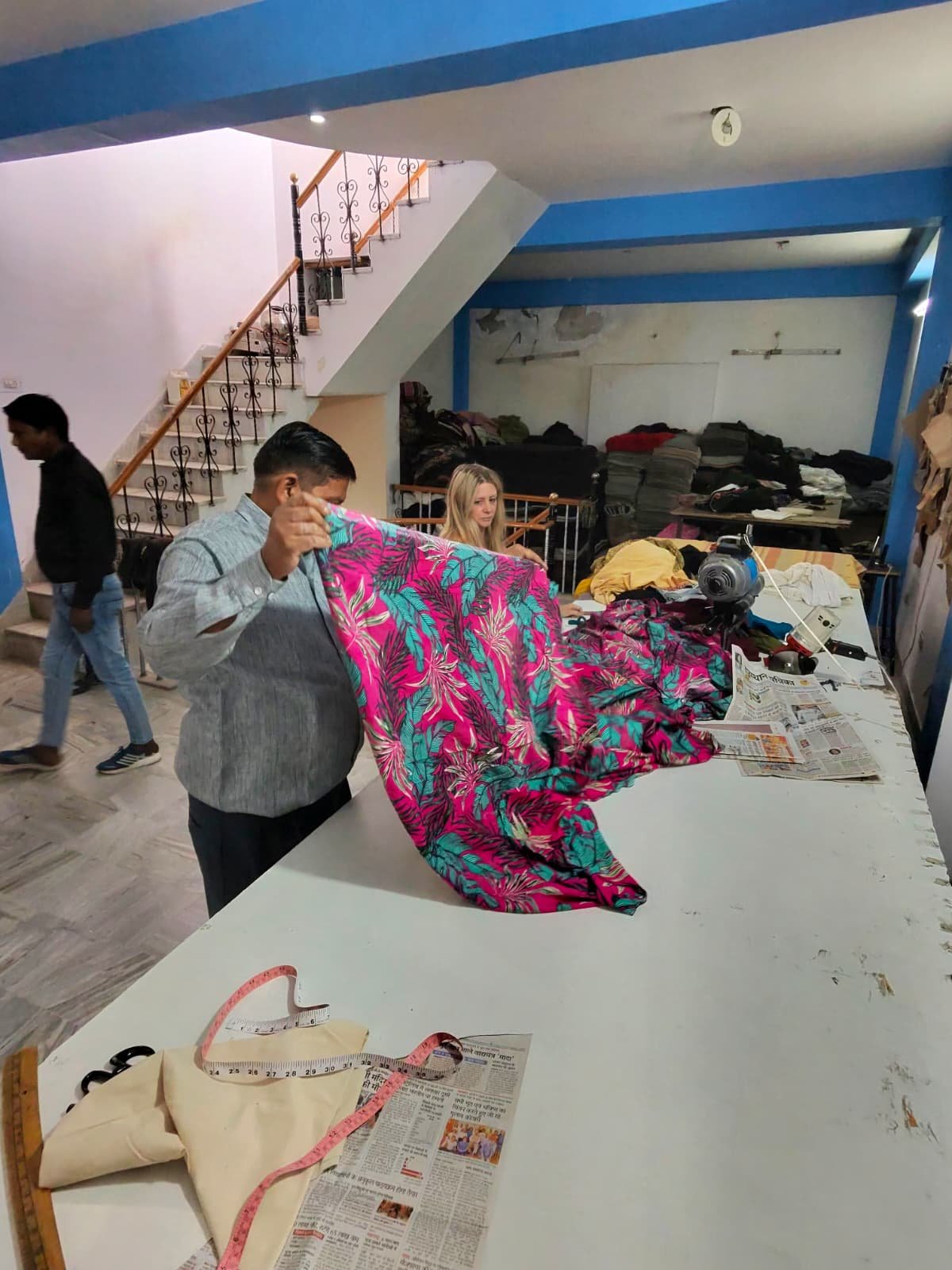
Wherever possible, we work with recycled, upcycled, reclaimed and deadstock fabrics, giving existing materials another life rather than automatically creating demand for something new. We also choose natural fibres where they are appropriate for the design.
I love the idea that a beautiful piece of clothing doesn't always need a brand-new beginning. Sometimes the most interesting fabrics already have a story.
Using existing materials isn't always the easiest option. Availability, quantities and consistency can be challenging, but it's a challenge I'm happy to work with.
We want to make clothes that you'll wear for years, not something that ends up forgotten at the back of your wardrobe after one season. And we're certainly not interested in adding to the mountain of disposable fashion.
Why I go to India…
This is probably one of the most important parts of the Barefoot Life story.
I go to India because I want to be involved. I want to meet the people, look at fabrics, discuss designs, see how things are coming together and make sure the way we work reflects the values we're talking about.
It's also about accountability.
It's easy for a brand to call itself ethical from behind a website. It's much harder to understand the reality of production if you've never been there, met the makers or seen the process for yourself.
Being on the ground gives me the opportunity to ask questions, make better decisions and keep building relationships with the people who make Barefoot Life what it is.
I don't claim to have everything figured out. Ethical production is an ongoing commitment, not a badge you earn once and wear forever.
But I can promise that I care about how we do things, and I'll keep asking the questions.
Smaller brand, bigger thinking
Barefoot Life isn't fast fashion. We're not trying to release endless collections, chase every trend or compete with businesses producing thousands of garments at a time.
We're a small independent brand, creating colourful, individual pieces for people who would rather express themselves than dress like everybody else.
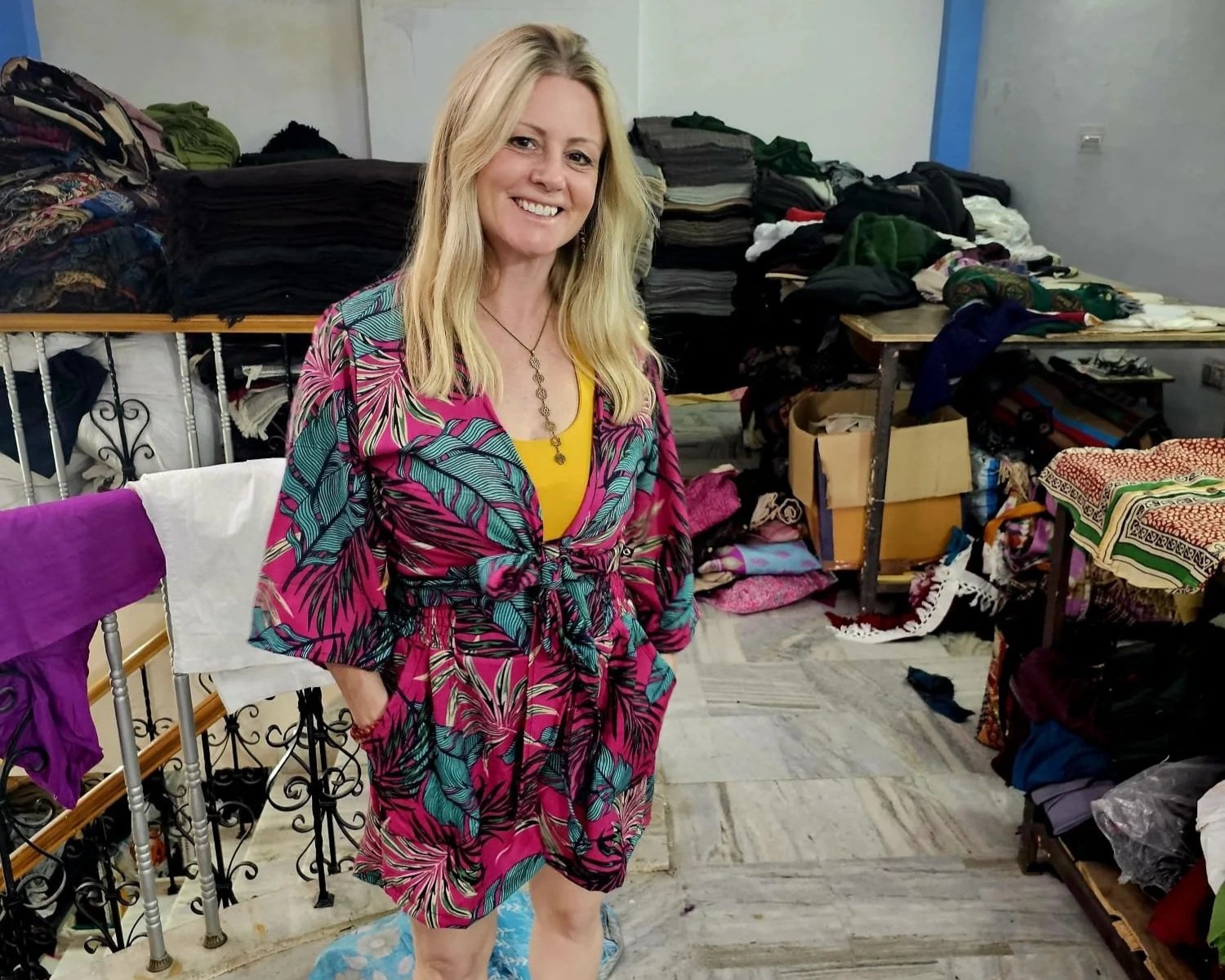
I design the collections, choose the fabrics and work closely with our makers to bring the ideas to life.
Being small means I can stay involved, make considered decisions and build the sort of working relationships that matter to me.
It also means I can keep learning, improving and being honest about where we can do better.
I'm not interested in selling you an idea of ethical perfection. I'm interested in doing the work.
So what does ethical mean to us?
It means caring about the hands that make our clothes.
It means women having a place in the design room as well as at the sewing machine.
It means fair pay, respect and relationships built on trust.
It means making better choices about materials and giving existing fabrics another life.
It means getting on a plane, going to India and seeing for myself how the things I sell are made.
And it means taking responsibility for the business I'm building.
Because looking good is one thing. Feeling good about what you're wearing is another.